












BUILD YOUR OWN
RESOURCE LIBRARY



Podcasts

Cities Thriving on Lighting, Episode 2 – Simplicity by design in smart lightingSponsored by Paradox Engineering

Cities Thriving on Lighting, Episode 1 – Lighting as the backbone of the smart citySponsored by Paradox Engineering
Opinions

Transforming indoor public safety with smart sensor networksSponsored by Motorola Solutions
The rise and rise of connected trucks
With the growth in smart cities, connected trucks have an important part to play in future freight and logistics operations


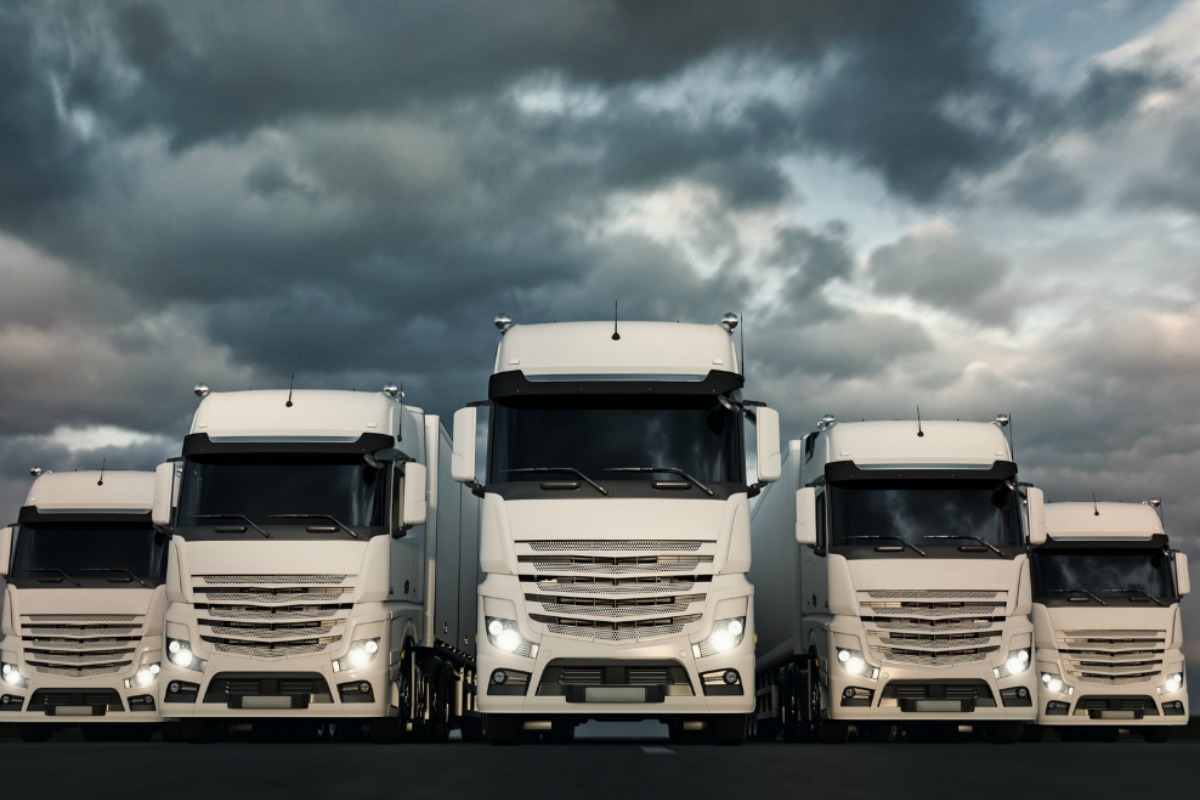
Connected trucks are rising in the mobility industry
By 2020, 35 million trucks will be connected globally, predicts the mobility team of growth partnership company Frost & Sullivan.
The prospect is attracting attention from major original equipment manufacturers (OEMs) which are seeking investment opportunities in digital freight brokering companies that have automated search engines and transaction platforms.
With smart cities growing all over the world, connected trucks are rising in the mobility industry and will have an important role to play in future logistics and freight operations. The team believes that in due course, digital freight solutions and autonomous technologies will transform the trucking industry into a more efficient and productive sector.
Frost & Sullivan’s latest analysis, Start-ups Disrupting Global Connected Truck Market, 2016-2017, highlights the importance of start-ups and how they will complement OEMs, Telematics Service Providers (TSPs), and other value chain partners. It also reveals key attributes of start-ups, reasons for investing, modes of funding, key criteria for choosing a start-up with examples and case studies.
"Depending on the nature of the technology, market majors can lower R&D expenditure by investing in or partnering with start-ups," said Frost & Sullivan Mobility Research Analyst Krishna Chaithanya Bathala. "OEMs and telematics service providers can also reduce product development time and time to market by acquiring off-the-shelf technologies and products from start-ups, and position themselves as one-stop shops for fleet operators."
While the connected truck market is showing signs of exceptional growth, truck fleet owners are still concerned about fundamental issues such as underutilised capacity and empty backhauls. In response, many technology start-ups have emerged with novel fleet management solutions which could generate $23 billion by 2025.
"Significantly, the connected truck market is gradually breaking out of the hold of traditional freight brokers to adopt digital load boards and, more recently, automated platforms, causing total market disruption," noted Bathala.
"Telematics is the backbone in this transition, efficiently connecting shippers and carriers based on real-time location and load capacity status of trucks. Start-ups that are both market and technology savvy will be best poised to succeed in this extremely lucrative market."
If you like this, you might be interested in reading the following:
Smart cities demand smart public transport
The intelligent transport systems market will continue to expand and will see increased competition and integration, says report
smartcitiesworld.net/news/news/smart-cities-demand-smart-public-transport-1170
Live platooning on show in Munich
NXP and DAF Trucks are aiming to push the boundaries of truck platooning in the German city as part of a bigger showcase of intelligent transport systems
smartcitiesworld.net/news/news/live-platooning-on-show-in-munich-1088
Technavio announces top 13 in global truck platooning market
Top vendors criteria: revenue, technology, geographical presence, end-users
smartcitiesworld.net/news/news/technavio-announces-top-13-in-global-truck-platooning-market-708
Why not try these links to see what our SmartCitiesWorld AI can tell you.
(Please note this is an experimental service)
How can connected trucks improve efficiency in smart city logistics?What role do start-ups play in advancing connected truck technologies?How do digital freight platforms disrupt traditional freight brokerage models?In what ways does telematics enhance real-time fleet management?How can OEMs benefit from partnering with connected truck start-ups?connected trucksConnectivitydigital freight brokeringFeaturedfleet managementFrost & SullivanKrishna Chaithanya BathalaPlatformsPlatformsRoadService Providerssmart citiestelematicsTransport
Latest City Profile
SmartCitiesWorld Newsletters (Daily/Weekly)
You may also like these related articles...
BECOME A MEMBER
© 2026 SmartCitiesWorld
Smart Cities World Ltd, 37 Lombard Street, London, EC3V 9BQ